
1Define Your Need
Start with the job the product needs to do. Write down the features you truly need and separate them from features that are simply nice to have.
A practical guide to comparing products, checking important specifications, evaluating total cost, and finding the right place to buy before you spend your money.
Start the Guide Explore RetailersOnline stores can show hundreds of products that appear similar. The lowest price is not always the best value, and the most expensive product is not automatically the right choice. A good buying decision starts by defining what you actually need and then comparing products against the same criteria.
Compare features + quality + price + warranty + delivery + reviews before making your final choice.
Use this process whether you are buying electronics, clothing, appliances, software, fitness equipment, home products, or everyday essentials.
Start with the job the product needs to do. Write down the features you truly need and separate them from features that are simply nice to have.

Decide what you are comfortable spending before browsing. Consider the total cost, including delivery, accessories, subscriptions, maintenance, or replacement parts.

Compare equivalent specifications across several models. For example, with laptops compare processor, memory, storage, display, battery, ports, operating system, and warranty.
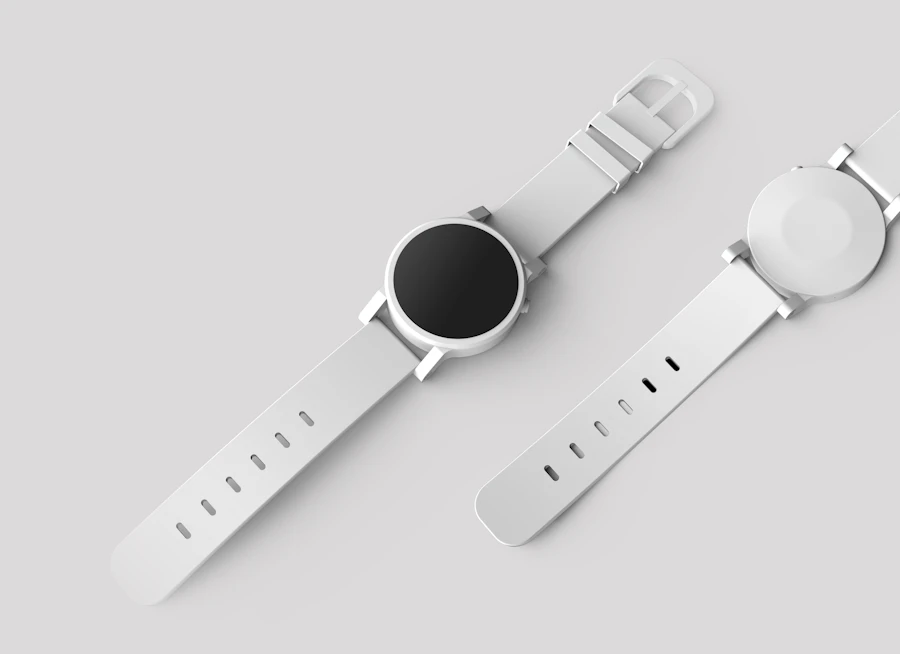
Look at materials, construction, brand reputation, return policies, warranty coverage, and independent reviews where available. Quality can matter more than a small price difference.

Do not rely on one review. Look for repeated comments about durability, performance, sizing, battery life, compatibility, delivery, and customer service.

The same product may be offered by several retailers. Compare the final delivered price, shipping speed, seller reputation, return conditions, and available customer support.
Choose the product that best matches your requirements and budget, rather than automatically choosing the cheapest or most expensive option. If two products are close, compare warranty, return policy, availability, and long-term ownership cost.
Before clicking "Buy", answer these questions.

A $50 cheaper product may become more expensive if it has poor durability, expensive accessories, higher maintenance costs, limited warranty coverage, or costly shipping.
The following example shows how to think about products rather than focusing only on price.
| Factor | Product A | Product B | Product C |
|---|---|---|---|
| Price | Low | Medium | High |
| Features | Basic | Balanced | Advanced |
| Warranty | Standard | Extended | Extended |
| Best for | Simple needs | Most everyday users | Specialized users |
| Decision question | Is basic enough? | Does the extra value justify the price? | Will I actually use the advanced features? |
Check more than one retailer when the same product is available in multiple stores.

A large online marketplace with products across electronics, home, fashion, books, appliances, and many other categories.
Visit AmazonCompare products across electronics, home, groceries, clothing, sports, household items, and other categories.
Visit WalmartUseful for comparing new, refurbished, used, collectible, and marketplace listings from different sellers.
Visit eBayBrowse categories such as electronics, home, beauty, clothing, health, toys, household essentials, and more.
Visit TargetA useful destination for comparing electronics, computers, appliances, accessories, gaming products, and related services.
Visit Best BuyFor branded products, also check the manufacturer's website. This can help you compare specifications, warranty information, accessories, and current models.
See Brand ExamplesMarketplaces are not always the only place to research a product.

Compare retailer listings with the manufacturer's specifications and support information.

Check the brand store for sizing, materials, colors, new collections, and returns.

Compare capacity, energy information, dimensions, accessories, warranty, and support.

Look beyond headline specifications and check compatibility, accessories, and long-term support.
Use multiple retailers to research the same product, compare the total cost, and choose the option that best matches your needs.
Shop Amazon Shop Walmart Shop eBay Shop Target